
Associations between obstructive sleep apnea and COVID-19 infection and hospitalization among US adults
- S-Med

- Oct 9, 2025
- 2 min read
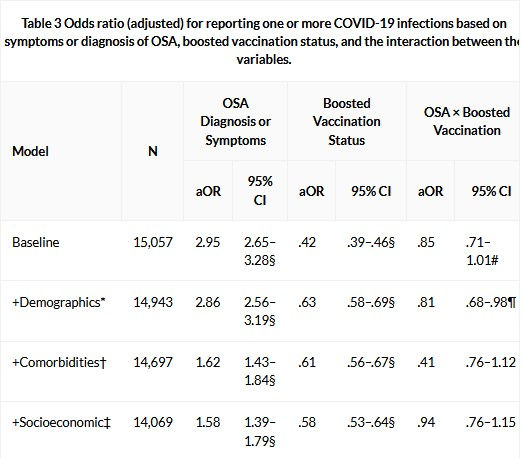
Our analyses observed that the prevalence of OSA was substantially higher in persons who had been infected with COVID-19 or who had been hospitalized for COVID-19. These associations persisted even after adjustment for demographic and socioeconomic covariates and medical comorbidities. Although boosted vaccination status was found to have a protective association with COVID-19 infection, it did not attenuate the relationship between OSA and COVID-19 infection. However, it did appear to be associated with a decrease in OSA-related COVID-19 hospitalizations. Additional analyses suggest that these associations between OSA and COVID-19 infection or hospitalization were stronger in those who are untreated for OSA or who have OSA symptoms.
The principal finding in our study was that OSA is associated with COVID-19 infection and hospitalization after adjustment for multiple medical comorbidities including body mass index. Our results are consistent with many other studies demonstrating that OSA appears to be a risk factor for COVID-19 infection or hospitalization as well as for influenza. However, these prior studies utilized hospital records or other databases to identify COVID-19 cases with or without OSA and in some cases were susceptible to collider bias. In contrast, our data are derived from a large general population survey. Our findings are very similar to a report from a large worldwide cross-sectional survey that utilized the STOP questionnaire to classify participants as high or low risk for OSA. The latter study found a 25.5% prevalence of high risk for OSA in COVID-19-positive vs 9.0% in COVID-19-negative participants. In contrast, we identified COVID-19 infection based on self-report of a positive test, clinical diagnosis, or symptoms and noted a 29.6% prevalence of OSA in COVID-19-positive vs 13.0% in COVID-19-negative participants. Prevalence rates for COVID-19 hospitalization also were comparable. Therefore, our findings provide strong additional support for the concept that OSA increases the risk for COVID-19 infection and hospitalization.


Comments